A Functional Office in Riga
A functional office is one that supports the way an organization runs, improves workflow and encourages people to interact with each other. Every office layout has its strengths and weaknesses, so the best designs combine several layout options to match the specific demands of the work and the personal needs of the people doing it. Productivity grows out of a shared vision and collaboration, and every employee’s role matters! At every level of an organization, productivity shows up as new ideas and solved problems. A well-equipped, modern work environment helps people get more done.
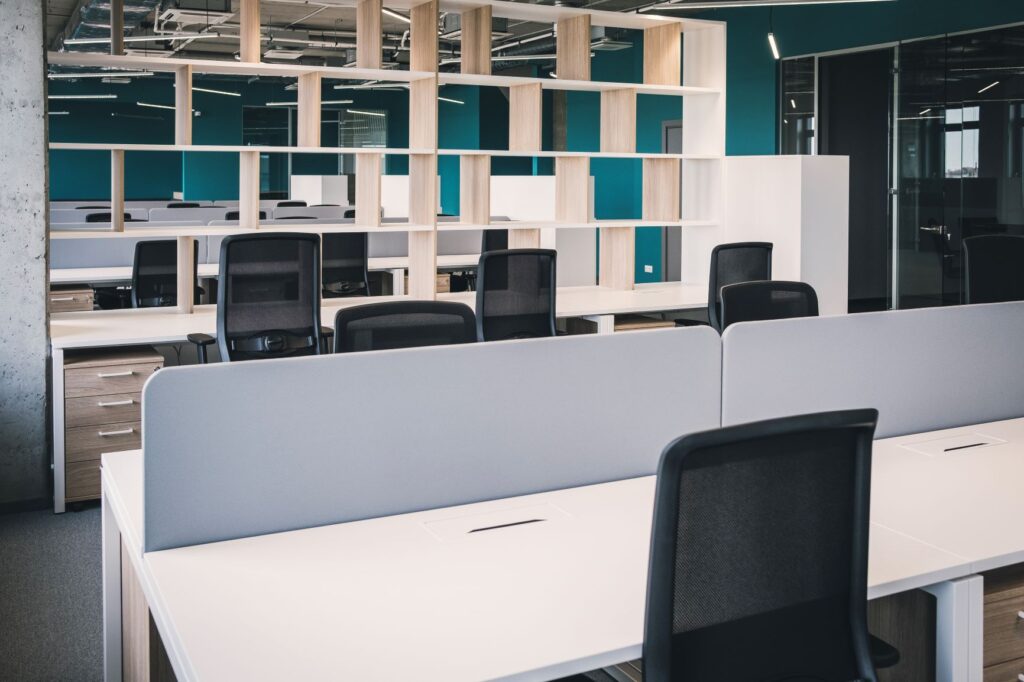
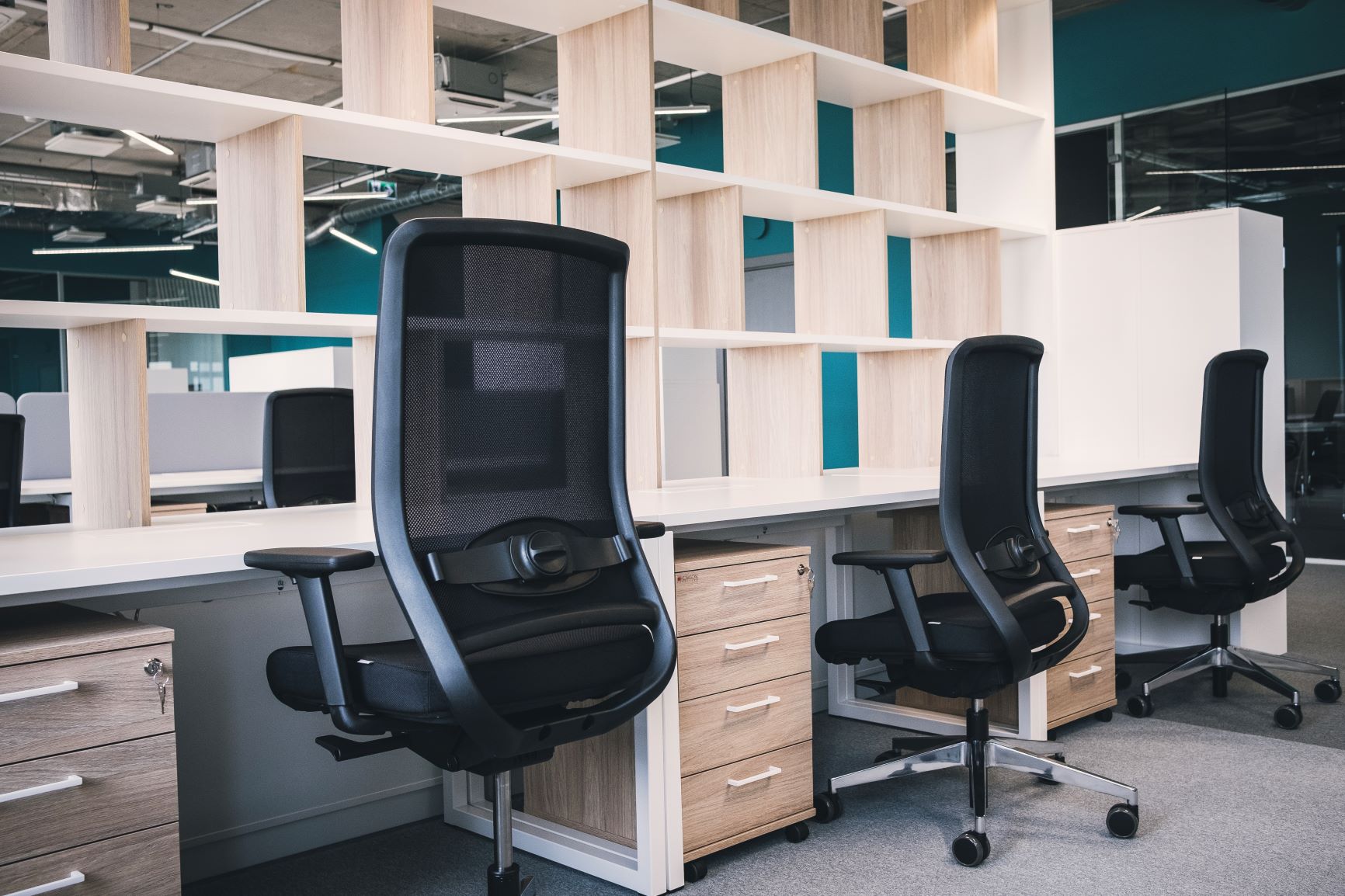
Distinct zones
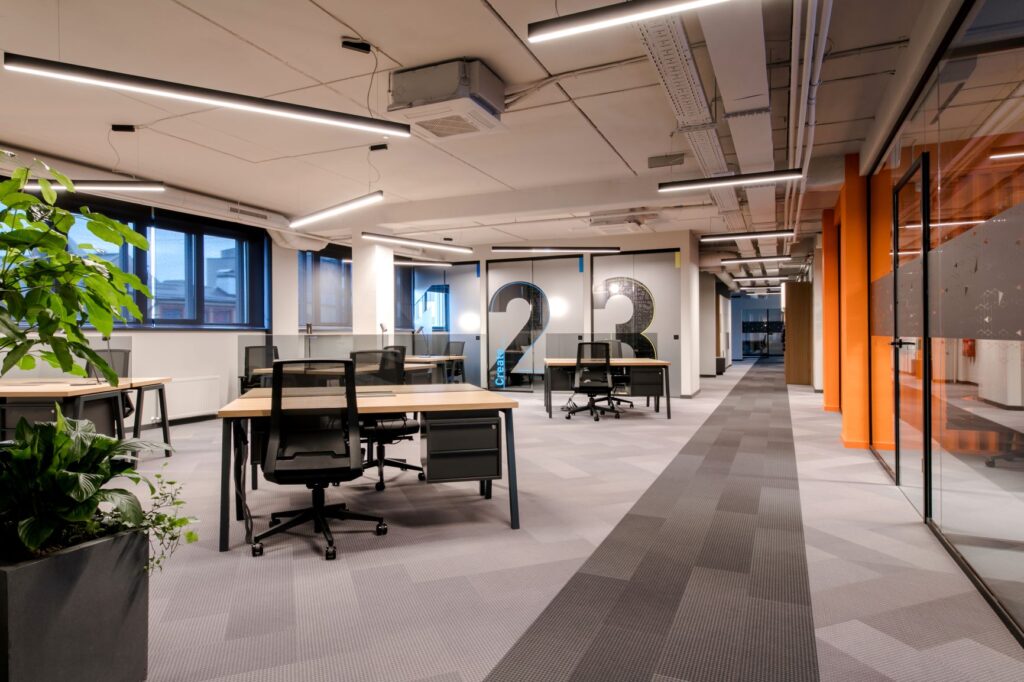
Office design should reflect the daily routine. How productive employees are is directly linked to how they move around the office. A good design encourages spontaneous interaction, collaboration and teamwork, while also providing space where people can work in peace and quiet. To meet everyone’s needs, it’s a good idea to create a variety of work zones suited to different kinds of tasks. When someone feels creatively stuck, a change of scenery can spark new ideas.
When planning work zones, keep each employee’s personality in mind. What suits an introvert won’t energize an extrovert, and vice versa. When people have several options, they can adapt the way they work. When designing a new office, consider the specific nature of the tasks and plan zones that fit each type of work. Comfort comes first. Group employees by function: this makes it easier for teams to communicate and speeds up the work.
Dividing the office for different tasks and goals
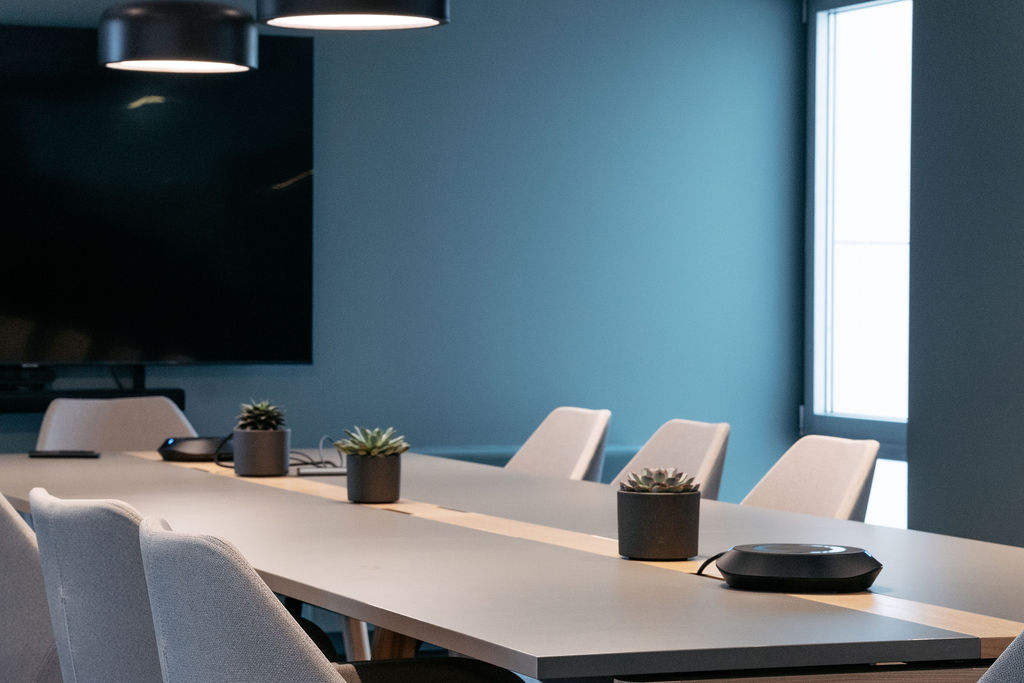
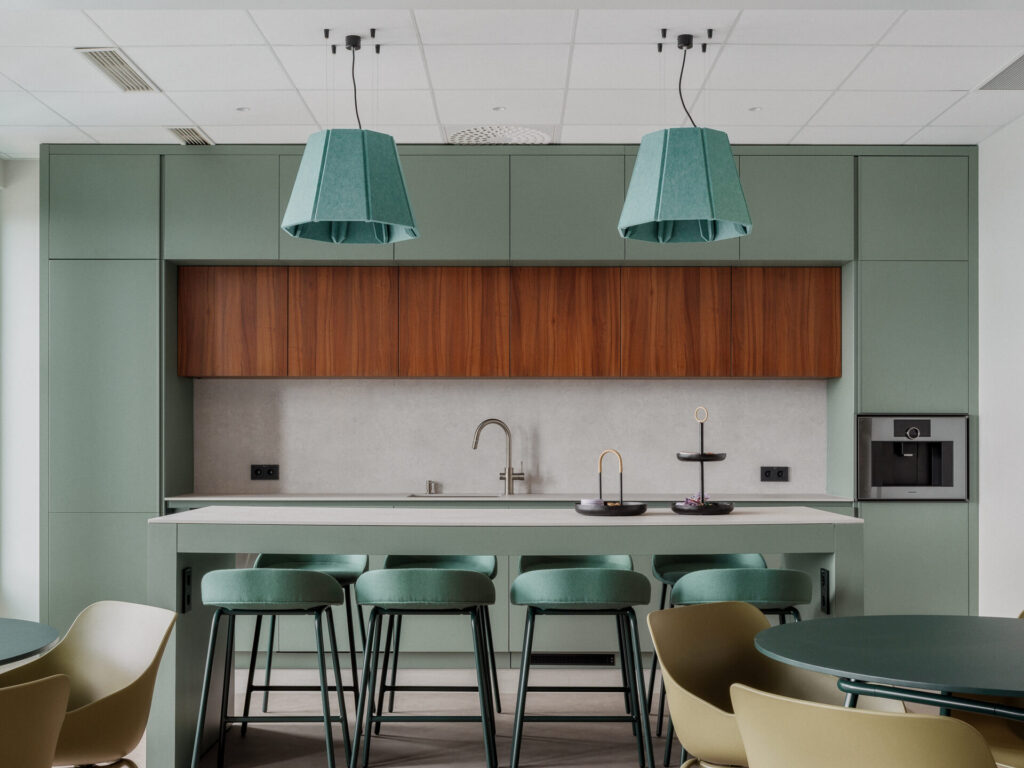
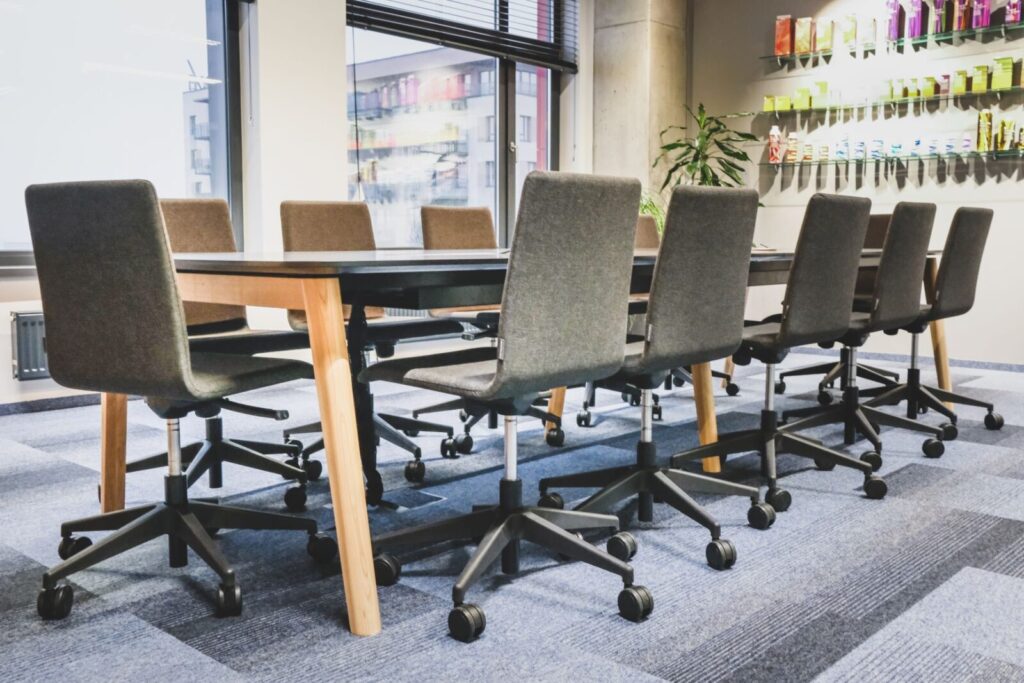
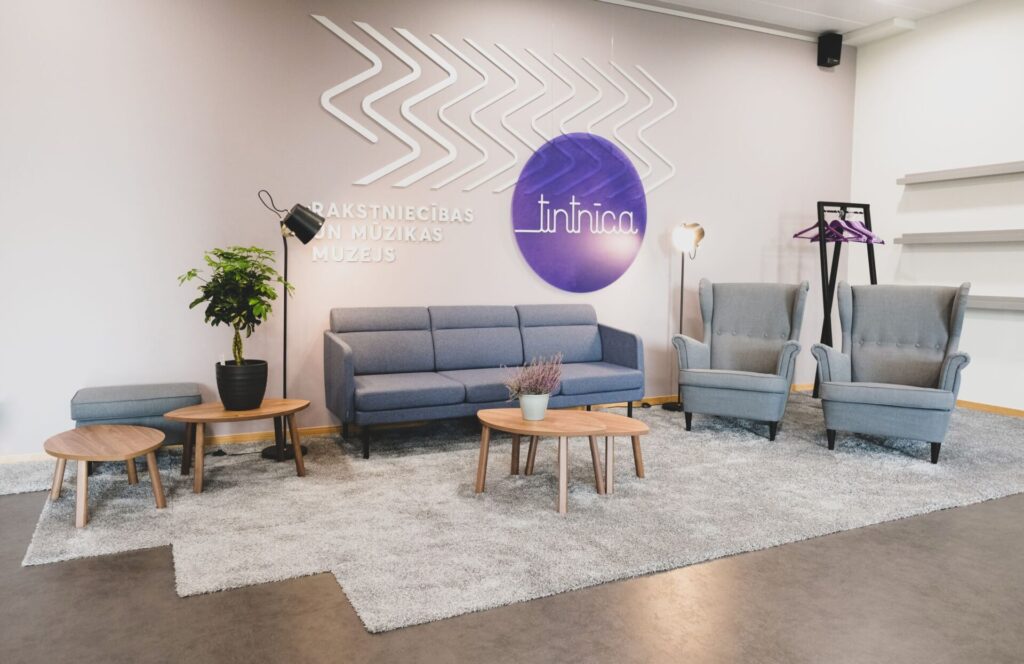
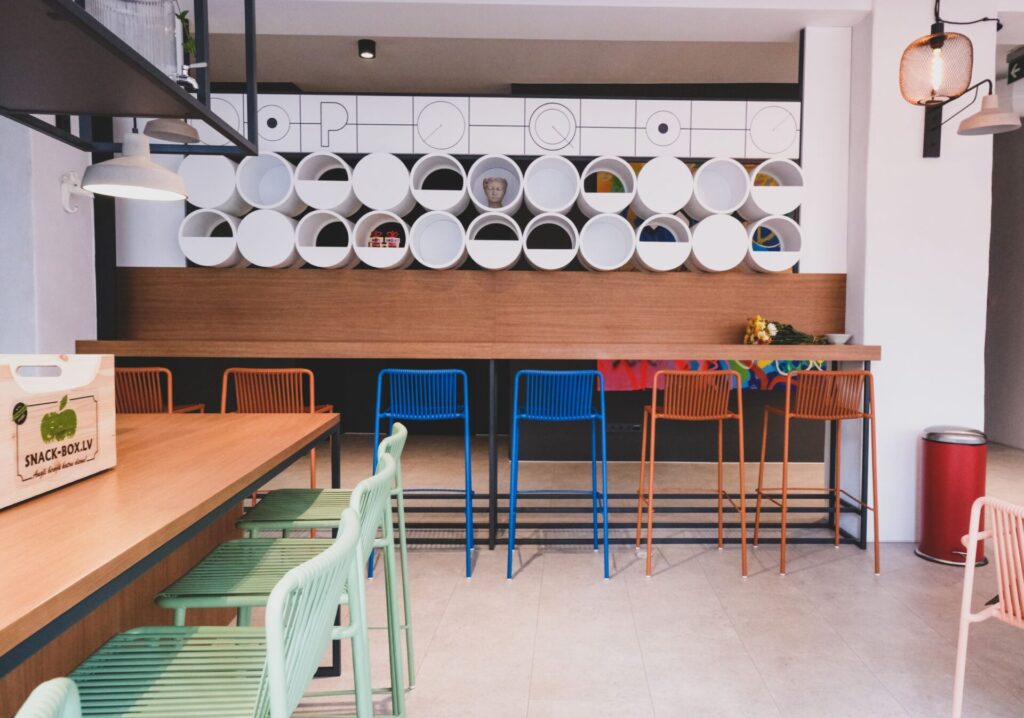
Dividing an office into zones creates extra space where people can meet and talk, whether it’s a meeting room, an informal lounge or the kitchen. Meeting rooms are where colleagues discuss, divide and plan tasks and agree on how the work gets done. The traditional conference room has given way to more modern concepts and layouts.
A meeting room shouldn’t be tucked away in a back corner of the office, where it’s hard to reach and rarely used. Whether it’s a partly enclosed area or a glass-walled room, it should sit in a dynamic part of the office that people can move to and from easily. Placed well, it works for group or individual tasks, planned or spontaneous.
A functional office is a valuable strategic tool. At its best, it strikes a balance between shared and private workspace, encourages collaboration and learning, and creates a positive atmosphere. Employees who can choose when and how they work are more productive and more satisfied, and they work together more smoothly and successfully.